Co-extrusion vs. Traditional Extrusion: A Comparative Analysis
In the dynamic world of polymer manufacturing, choosing the right production method is critical for efficiency, cost control, and product performance. While traditional plastic extrusion has been the industry standard for decades, advanced techniques like plastic coextrusion have emerged to meet the complex demands of modern engineering.
As a leading PVC WPC Extrusion Mould Manufacturer with 20 years of rich experience, Zhongjie understands the nuances that separate these technologies. In this comparative analysis, we will explore the fundamental differences between traditional methods and the advanced co extrusion process, helping you determine which path is right for your manufacturing goals.
Understanding the Fundamentals
Before evaluating the benefits, it is essential to understand the core mechanics of each process. Traditional extrusion is a straightforward operation: a single thermoplastic resin is melted and forced through a die to create a profile with uniform material properties throughout. This method is ideal for simple products like pipes, single-layer sheets, or standard trim where material consistency is sufficient.
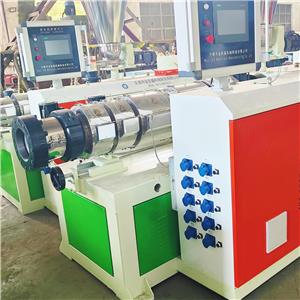
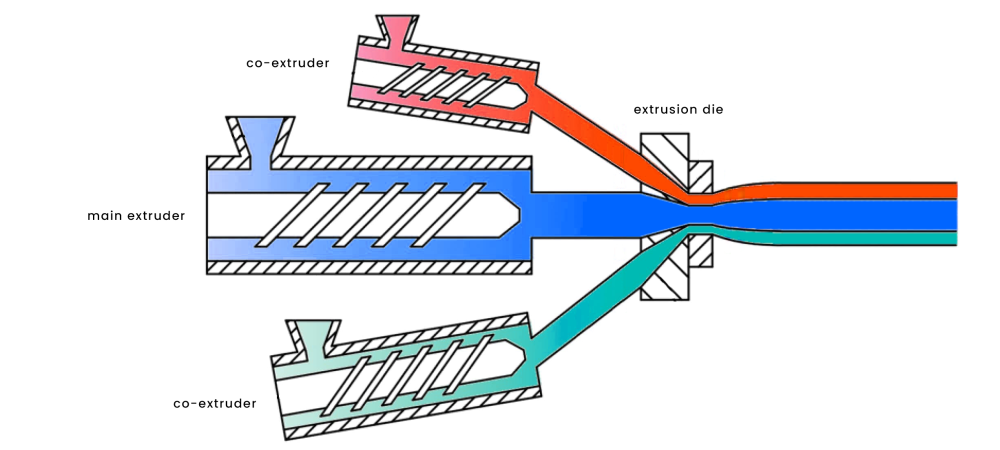
However, many modern applications require more than what a single material can offer. This is where co-extrusions come into play. Also known as multi-layer extrusion, this process involves feeding two or more distinct polymer melts into a single die (or a feed block system) simultaneously. The result is a unified profile where each layer serves a specific purpose—whether it’s a rigid core for strength, a soft outer skin for grip, or a UV-resistant capstock for durability.
Unlocking Endless Possibilities with Multi-Layer Extrusion
While traditional extrusion remains a reliable workhorse, the transition to a co extruder system opens the door to sophisticated product engineering.
1. Material Versatility
Traditional extrusion is limited by the "weakest link" in your material choice. If you need weather resistance, the entire profile must be made of expensive weather-resistant plastic. Co-extruded pvc profiles solve this economic puzzle. You can use a low-cost recycled material for the inner core and cap it with a high-performance virgin resin. This hybrid approach significantly reduces material costs without sacrificing the product's external performance or appearance.
2. Complexity and Equipment
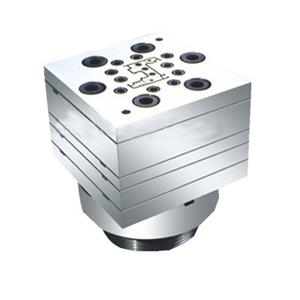
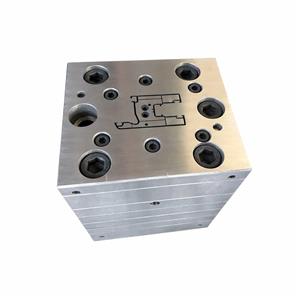
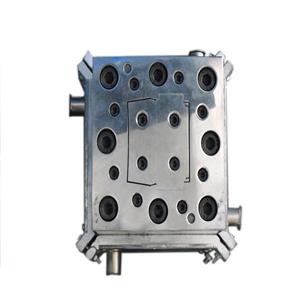
It is true that traditional extrusion lines generally require lower initial capital investment. The co-extrusion process demands specialized equipment, such as multi-manifold dies and multiple extruders operating in perfect synchronization. While this increases the technical barrier to entry, the capability to produce advanced profiles—like our complex wpc foaming baseboard mold designs—offers a competitive edge that justifies the investment.
3. Customization Opportunities
Design flexibility is the hallmark of multi-layer extrusion. Manufacturers can combine incompatible properties into a single unit. For example, a window seal can feature a rigid base for easy insertion into a frame, co-extruded with a soft, flexible fin for an airtight seal. This level of functional integration is impossible with mono-extrusion, eliminating the need for secondary assembly steps.
Benefits in Various Applications
The strategic application of different layers allows co-extrusion to shine across diverse industries:
Automotive Components: Safety and comfort are paramount. By co-extruding a hard structural support with a soft-touch surface, manufacturers create door seals and interior trims that are both durable and pleasing to the touch.
Construction Materials: Exterior profiles face harsh elements. A co-extruded pvc siding profile typically features a weatherable acrylic capstock over a durable PVC substrate, ensuring color retention and impact resistance for decades.
Electronics and Appliances: Multi-layer profiles provide electrical insulation combined with heat dissipation properties or aesthetic finishes that resist scratching.
Medical and Packaging: In packaging plastic extrusion, barrier layers are critical. Co-extrusion allows for the creation of films that block oxygen and moisture, extending shelf life for food and sterile medical devices.
Meeting Modern Industry Demands
Sustainability is no longer optional; it is a market requirement. Here, plastic coextrusion offers a powerful solution for the circular economy. By enabling the use of "regrind" or recycled plastics in the hidden core layers of a profile, manufacturers can significantly reduce their environmental footprint while maintaining a pristine virgin material surface. This "sandwich" structure allows companies to meet recycling targets without compromising on quality or aesthetics.
Furthermore, the efficiency of combining multiple functions into one production step reduces energy consumption and waste associated with secondary assembly operations, aligning perfectly with modern lean manufacturing principles.
Choosing the Right Extrusion Method for Your Project
Ultimately, the choice between traditional extrusion and co-extrusions hinges on your project’s specific constraints and performance requirements.
Choose Traditional Extrusion If:
Your product requires uniform properties throughout.
Initial tooling budget is limited.
The application does not demand complex multi-functional performance.
Choose Co-Extrusion If:
You need to combine disparate properties (e.g., hard/soft, clear/colored).
Material cost savings (via recycled cores) outweigh higher tooling costs over high production volumes.
Enhanced weatherability or specific surface properties are required.
Summary
While traditional extrusion remains a fundamental manufacturing process, plastic coextrusion represents the future of high-performance polymer profiles. By allowing for the strategic layering of materials, it offers unmatched versatility, cost-efficiency through material optimization, and superior product functionality.
However, mastering the co extrusion process requires deep technical expertise. This is where Zhongjie excels. With 20 years of specialized experience in mold manufacturing, we bridge the gap between design concepts and production reality. Whether you need a simple profile or a complex multi-material solution, our team is ready to engineer the perfect mold for your needs. Contact Zhongjie today to unlock the full potential of your manufacturing capabilities.